

Le passé composé et l'imparfait
大家都知道法文的動詞時態讓人相當頭痛,今天我們要來分析特別讓人頭痛的其中一個觀念:到底le passé composé(複合過去時)和l'imparfait(未完成過去時)在使用上該如何區分?明明老師有教過,但還是不太懂,怎麼辦?
我們不妨用「主題」來思考這個問題。
按照慣例,我們先來看幾個簡單的例子:
∎ Le passé composé
J'ai mangé une pomme. 我吃了一個蘋果
Nous sommes allés au cinéma hier soir. 昨晚我們去看了電影
Elle a terminé ses devoirs. 她做完功課了
Le passé composé就是用來表示已經完成的過去動作或事件,突顯動作的完成或發生的特定時間點。
這個意思就是說,只要使用這個時態,法國人就會覺得這個動作比較「動感」,也比較「重要」,跟談話的主旨最相關。
∎ L'imparfait
Quand j'étais enfant, je jouais souvent au parc. 我小時候經常在公園玩
Il faisait beau et les oiseaux chantaient. 那時天氣很好,鳥兒在歌唱
Nous étions en vacances et nous profitions du soleil. 那時我們在度假,享受著陽光
L'imparfait是用來描述過去中的連續、習慣性的動作,或者描述過去的背景、情境或狀態,沒有明確的時間點。
換句話說,就是比較「不動感」或「次要」,跟談話的主旨沒有直接相關。
所以實際使用技巧:
接下來,讓我們來看在不同主題中,要如何選擇時態:
依主題選擇時態
- 主題一:一個情境 一個動作
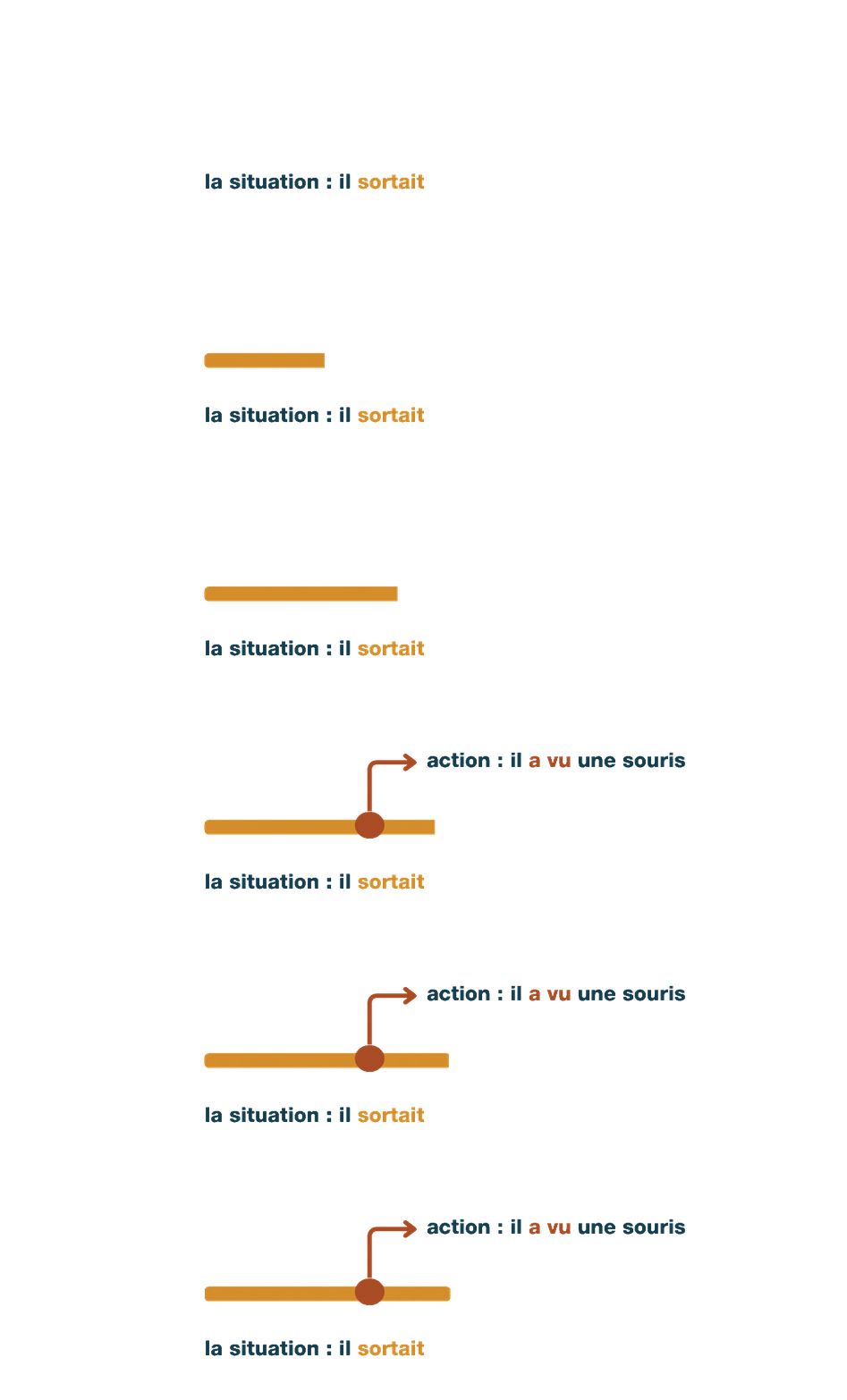
Il sortait de sa chambre quand il a vu une souris. 他離開房間的時候,看到了一隻老鼠
- 主題二:兩個動作

Il est sorti de sa chambre quand il a vu une souris. 他看到一隻老鼠,他離開了房間
- 主題三:一個情境 兩個動作

Il a éteint son téléphone quand il a vu que son ex-petit-ami l'appelait. 看到他前男友打給他,他就關機了
- 主題四:兩個情境 一個動作

Il éteignait son téléphone quand il a vu que son ex-petit-ami l'appelait. 他看到他前男友打給他的同時把手機關機
Le passé composé et l'imparfait 用法統整
複合過去時 passé composé
|
未完成過去時 imparfait
|
| ⚠️ 當我們描述一個過去的習慣,而這個習慣有明確的時間點,我們會使用 imparfait | |
假設今天跟朋友討論的主題是週末做了什麼,這時你一一列舉的動作自然是用le passé composé會比較好。
但是在這些動作發生的時候,可能還會有其它比較不相關的動作或狀態,可能跟你有關,也可能是當時別人剛好正在做的事情。這時通常就會用l'imparfait來進行區隔,可以讓整個談話的條理更清楚,讓對方知道你的重點在哪(但本來講話就容易沒重點的人除外啦)。
所以,時態的選擇通常都不是絕對的,而是要看用了之後意思合不合理。
當然,問題來了。有些時候(或者很多時候,這也是讓人頭痛的地方)同一個句子,兩種時態都完全適用,這下子該怎麼判斷?
讓我們比較下面三個例子
- 例子一:小時後喜歡玩躲避球
Le passé composé ▸
Quand j'étais enfant, j’ai aimé jouer au dodgeball. 我小時候曾經喜歡過玩躲避球
↳這裡用le passé composé的意思是:在過去某個特定時期,我喜歡而且也體驗過躲避球的樂趣。
L'imparfait ▸
Quand j'étais enfant, j’aimais jouer au dodgeball. 我小時候喜歡玩躲避球
↳這裡用l'imparfait是為了強調在過去的某一段時間,我都喜歡踢足球,形成一種習慣。
- 例子二:去年參觀艾非爾鐵塔
Le passé composé ▸
Quand j'étais à Paris l'été dernier, j’ai visité la tour Eiffel. 我去年夏天在巴黎時,參觀了艾菲爾鐵塔。
L'imparfait ▸
Quand j'étais à Paris l'été dernier, je visitais la tour Eiffel. 我去年夏天在巴黎時,經常去參觀艾菲爾鐵塔
↳兩種時態都表達了在過去某個期間參觀艾菲爾鐵塔的意思。使用le passé composé強調特定事件已經發生過,而l'imparfait則強調在過去的某一段時間內經常參觀艾菲爾鐵塔。
- 例子三:昨天在家看電影
Le passé composé ▸
Hier soir, il pleuvait et nous avons regardé un film à la maison. 昨晚下雨,我們在家看了一部電影
L'imparfait ▸
Hier soir, il pleuvait et nous regardions un film à la maison. 昨晚下雨,我們當時在家看電影。
↳兩種時態都表達了昨晚在家看電影的情況。使用le passé composé強調動作已經完成,而使用l'imparfait則強調過去的背景環境和連續性。
講到這邊,可能有人會問:同樣都是過去發生的事情,選擇哪種時態真的差這麼大嗎?事實是:真的差很大!
因為在母語人士聽起來,意思就是不一樣。透過正確的翻譯,我們其實也可以體會到差異。所以,在用任何時態之前,試著先問自己為什麼這樣用?會不會造成誤解?
反過來說,如果我們在時態的選擇上游刃有餘,那就代表我們的法語腦已經進入高階的境界,成功內化了母語人士的思維模式。而且重點是,DELF會考!
最後,讓我們來實戰演練兩下。先不要看後面的解答,試著自己口頭回答,順便練練動詞變化的反應力吧。就算是口頭回答,也不要忘記在大腦裡寫出陰陽性和單複數的變化哦!
實戰演練
填空題 請根據上下文判斷每個動詞該用哪個時態。(記住:先確定主題,再根據當下的情境和所要表達的意思來選擇時態)










Such a beautiful (and write) as if everything is a miracle. Such a beautiful article! Some people live (and write) as if everything is a miracle.