B2 Core Program · Upper-Intermediate French
La Ville et ses Habitants
The City and Its Inhabitants
Nouvelle Vague invites you to discover contemporary French literature. Through the theme of the city and its inhabitants, major French writers (Georges Perec, Annie Ernaux, Emmanuel Carrère, Leslie Kaplan, Patrick Modiano…) meet talented young authors (Guka Han, Édouard Louis, Joseph Ponthus…). Reading excerpts from their novels and short stories, we discover the many styles that make up French literature and explore social and identity questions — poverty, social markers, aesthetic taste, the shape of urban space, the place of memory in our lives — while writing short texts of our own to keep our French moving forward, spoken and written alike.
Who It's For
Who this course is made for
Learners at B2 level who want to build reading comprehension and a feel for the language through literature
Anyone interested in contemporary French literature, social issues, and writing about the city
Learners who want to expand advanced vocabulary and nuanced expression through texts by established and emerging writers
Anyone who enjoys short creative writing and wants to practice descriptive and narrative technique
Learning Outcomes
By the end of this course, I can…
From observing and writing the city to questioning memory and identity, build advanced French for close description, critical reflection, and short creative writing through works by leading and emerging French authors.
Master advanced vocabulary for describing urban space, light, weather, and atmosphere
Give nuanced descriptions of appearance, personality, and self-identity
Build the atmosphere and narrative of a place through detail and observation
Discuss and write about how education and environment shape social class
Imitate celebrated opening lines to craft a memorable story opening
Narrate and reconstruct personal memories, writing about the past and forgetting
Course Content
Six lessons through the city and its inhabitants in French literature
Each lesson focuses on one or more French authors. Through excerpts from novels and short stories, we explore urban writing, identity, social class, celebrated opening lines, and the writing of memory, building advanced French for description and narrative step by step.
SOMMAIRE · Course OutlineL'Aube de la Ville
The City at Dawn
See the city anew through Guka Han's homeless protagonist, and practice describing the city from above, its nighttime lights, and the sensations brought by weather
Une Question d'Identité
A Question of Identity
Starting from a vanished moustache in Emmanuel Carrère's novel, explore identity and appearance, and practice detailed description and arguing your case when others are stunned
Lieux et Regards
Places and Gazes
Through Leslie Kaplan's and Georges Perec's close observation of parks and city corners, practice building narrative and dialogue under different constraints
Question de Classe
A Matter of Class
Through the life experiences of Annie Ernaux, Édouard Louis, and Joseph Ponthus, explore how education and environment shape identity and place in society
Premières Lignes
The Power of Openings
Study some of the most famous opening lines in French literature, from Camus to Proust to Aragon, and practice writing openings of your own that leave a mark
Mémoires Retrouvées
Memory Regained
Follow Patrick Modiano's amnesiac investigator on the trail of his own past, and practice describing, interpreting, and piecing memory back together
Authors & Works
Guka Han — Pyromane
Street life and the city's everyday
Emmanuel Carrère — La moustache, L'Adversaire, Ouistreham
Identity, deception, and self-perception
Leslie Kaplan — Le Pont de Brooklyn
Crossing the city, one detail at a time
Georges Perec — La Disparition, Tentative d'épuisement d'un lieu parisien
Constraint, and the exhaustive observation of place
Annie Ernaux — La place
Class, distance, and a father's life
Édouard Louis — Qui a tué mon père
Poverty, blame, and a father's death
Joseph Ponthus — À la ligne, feuillets d'usine
Working the factory line, in verse
Patrick Modiano — La rue des boutiques obscures
Memory and forgetting
Camus, Proust & Aragon
Celebrated opening lines of French literature
Writing Practice
La description de la ville
Describing the city (from above, at night, in the weather, at dawn)
La description physique et les sentiments
Physical description and expressing feelings
La construction d'un lieu
Building a place on the page
Les marqueurs sociaux
Narrating social class and identity
Les incipits marquants
Writing a memorable opening line
La reconstruction des souvenirs
Tracing and piecing memories back together
Événement Spécial・Special Event
Author Interview
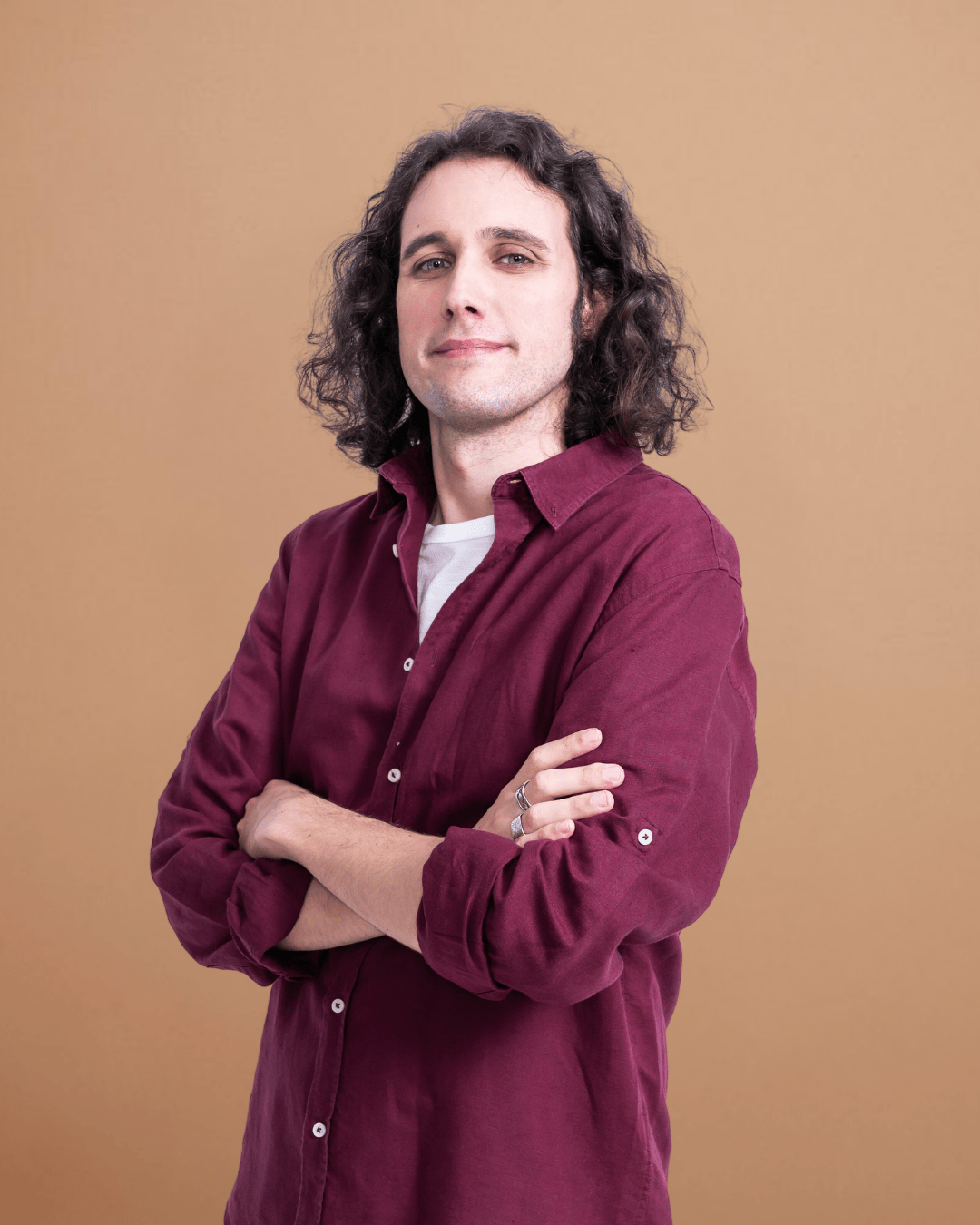
This course is delighted to welcome a French author and a translator of French literature as guest speakers, joining us for one of the sessions
Claude Chambard
est né en 1950 à Dakar, au Sénégal. Son premier pas en France a lieu à Marseille à la descente du bateau. Dès lors, enfance en Bourgogne, adolescence en Franche-Comté. Arrive pour 1968 en Aquitaine. Depuis, vit, lit et écrit à Bordeaux (Gironde) et à Pontlevoy (Loir-et-Cher). Critique et chroniqueur, il anime régulièrement de nombreux débats. Éditeur, avec Sophie Chambard, à l'enseigne – aujourd'hui en sommeil – de À Passage/Le Coupable depuis 1979. Il a aussi dirigé la collection Alter & Ego aux éditions de l'Atelier in 8. Il a publié de nombreux romans, nouvelles, poésies, livres d'artiste et en fait régulièrement de nombreuses lectures en librairie et lors de festivals de littérature.
Chiang Hao
Holds a master's degree in French from Fu Jen Catholic University and works as a writer and editor. He has served as an attaché in the Director's Office of the French Institute in Taipei, hosted a French-language program on Radio Taiwan International, and served as Secretary-General of the Taiwan Association of French-Chinese Translators. He currently works as a book editor and sits on the association's executive board. His translations include Roland Barthes's Empire of Signs and Mythologies, Chantal Thomas's My Teacher, Roland Barthes (co-translated), and Hugo Pratt's Corto Maltese: Fable of Venice. His work focuses on classics of the humanities and social sciences alongside contemporary issues. He holds fast to the belief that words carry a stellar power to gather light amid turbulent times, and continues to burn with devotion — endlessly editing, endlessly translating — for the texts he loves.