❖ Ages | 8–13 | 13–17
❖ Language Tracks | English Group (Level A1–A2) | French Group (Level A1–A2)
❖ Team Size | Groups of 4
❖ Instructors | Maurin、Claire
❖ Event Hours | 9:30 am - 16:00 pm
❖ Extend Care | 8:15 am - 17:00 pm
❖ Drop-off/ Pick-up | 3F, No. 415, Section 4, Xinyi Road, Xinyi District, Taipei City map
❖ Event Location: Taipei 101, Supermaket
► Fee includes lunch.
► To Register: In the remarks section, please provide the following:
-
Language Track (English or French)
-
Child's Name
-
Current Grade
Bilingual English/French - STEAM Math Logic & Real-World Mistery Quest
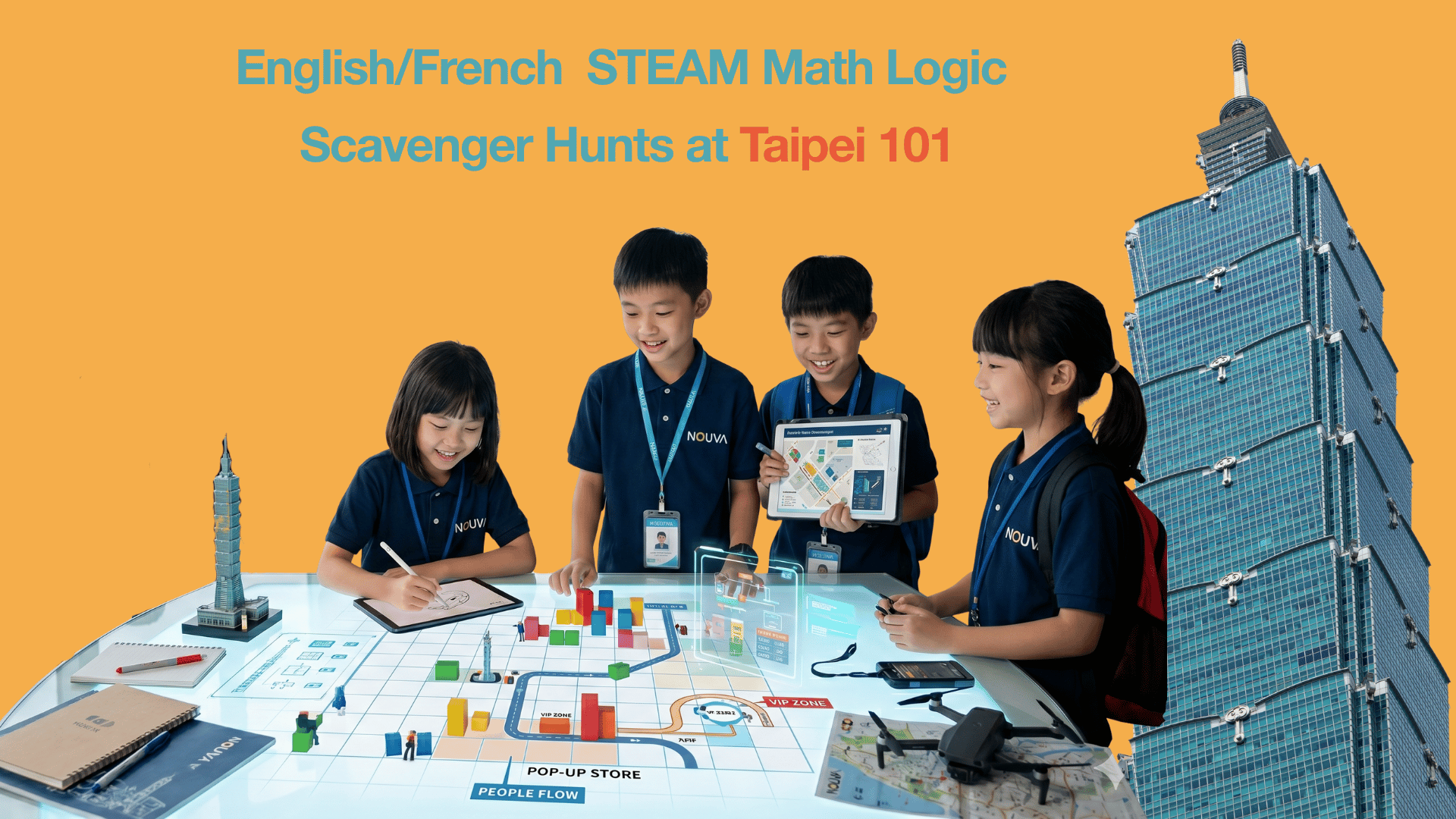
STEAM Math Logic & Real-World Scavenger Hunts
Schools teach them how to answer.
We teach them how to think.
Our curriculum doesn’t start with formulas; it starts with the real world.
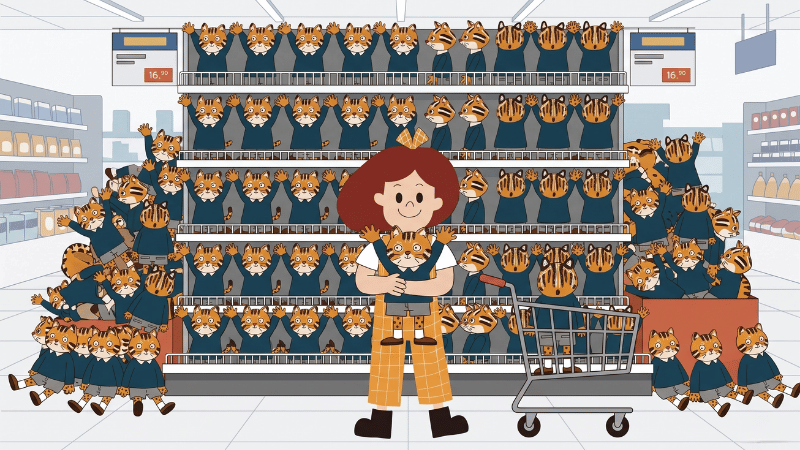
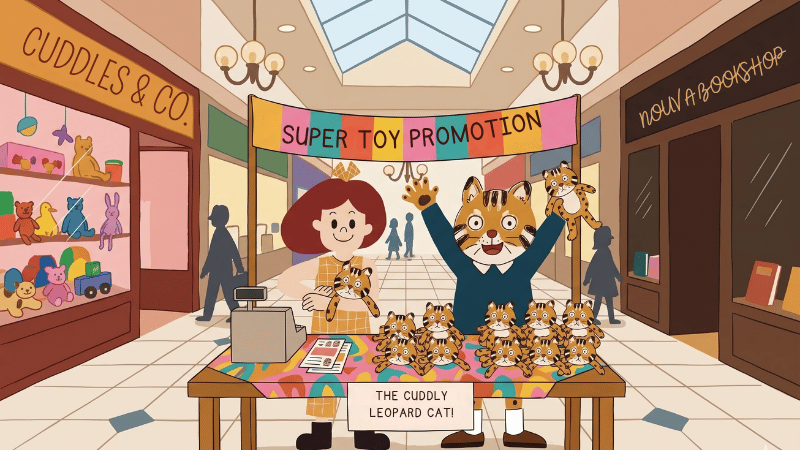
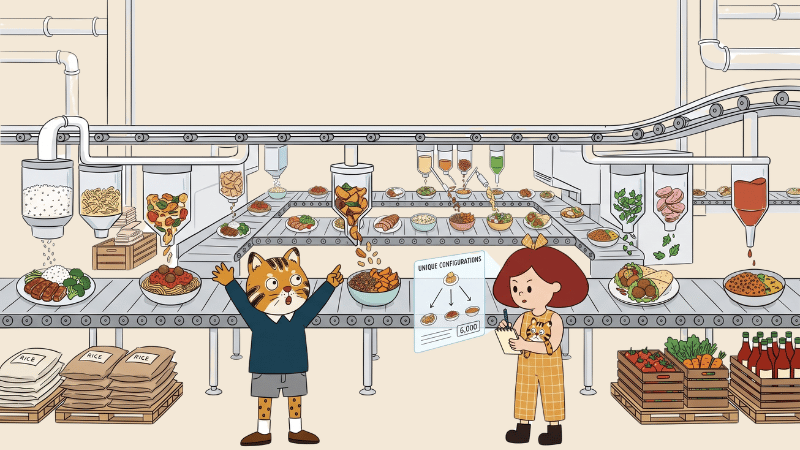
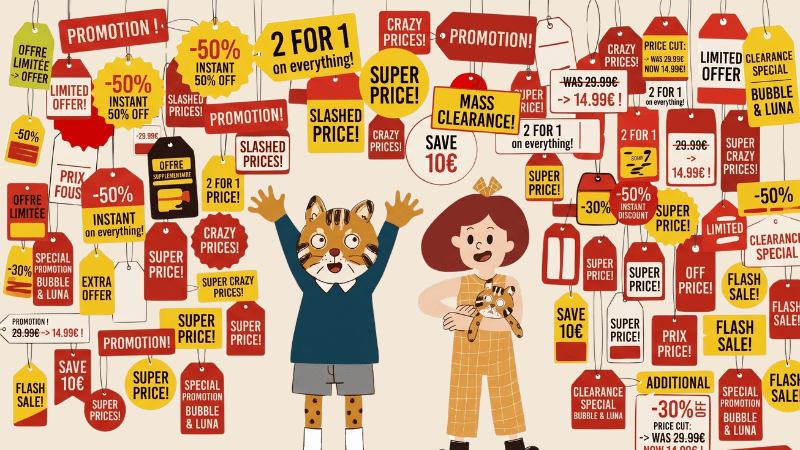
Comparing prices at the supermarket, calculating MRT train intervals, estimating portions at the night market, and analyzing building structures—we place children in meaningful scenarios to learn analysis, reasoning, and decision-making.
We aren't raising children who just know how to solve equations. We are raising children who, when faced with questions that have no right answer, know exactly how to start thinking. This is the core of STEAM education, and it is the very skill children need most beyond the school walls.
Six competencies rooted in the real world—once the course is over, what they take with them isn't a test score, but a mindset they can actually use.
Math is not on paper, it's in the world.
Real-World Scavenger Hunts - Mastering English & Math Thinking through 6 Core Competencies
Our Core Design Principles
The CLIL Dual-Track : English, French & Math
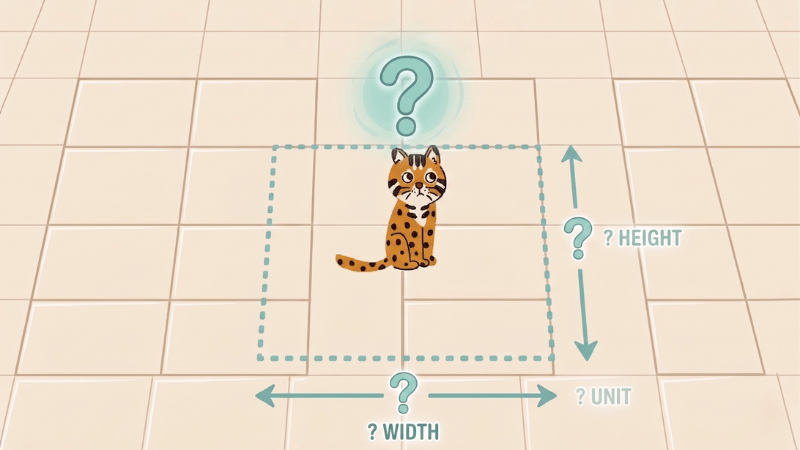
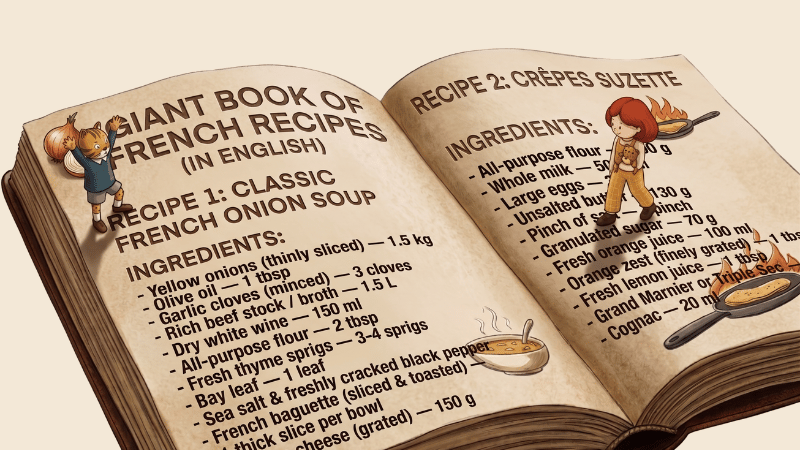
Mastering spatial and logical vocabulary in real-world contexts to unlock language and analytical skills simultaneously.
Concrete → Pictorial → Abstract
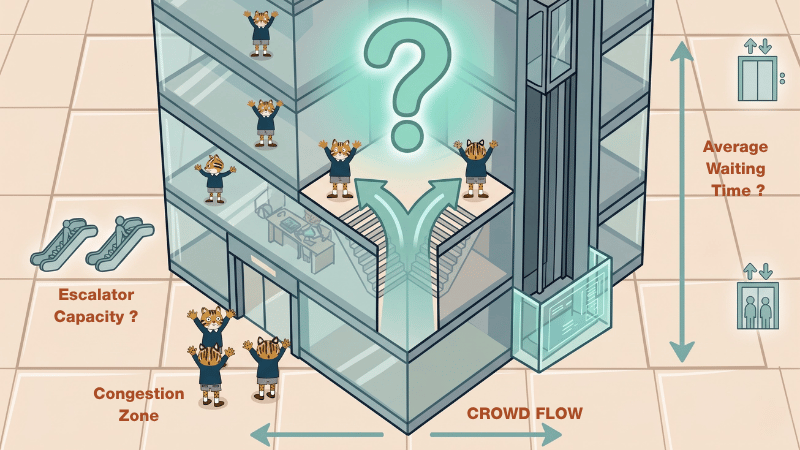
The CPA approach in action: learning transitions from walking the physical space, to mapping visual blueprints, to calculating abstract capacity.
Immersive Real-Journeys
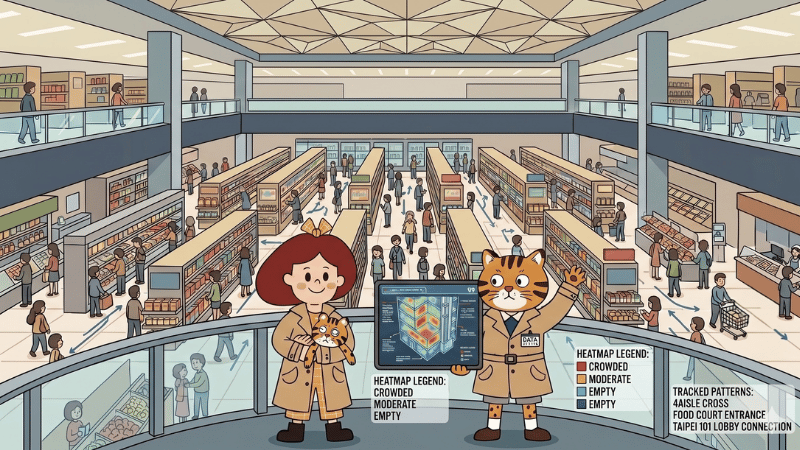
Transforming iconic spaces like Taipei 101 into a living classroom where grand-scale challenges spark curiosity and drive learning.
Thinking Aloud
Empowering children to speak their logic and explain how they solve problems:"I think… because…"
Gamified, Field-Based Learning
Core tools in action: moving beyond traditional classroom blocks to utilize floor blueprints, visual density maps, and live environmental data.
Scaled Complexity
Progressing from simple observations to complex, multi-layered problem solving within a single, dynamic mission.
Six Core STEAM Competencies
Rooted in math. Connected to the real world. Ready for anything.
-
Cross-Domain Modeling One real problem. Multiple lenses. This is the skill schools teach the least — and need the most.
-
Real-World Number Sense & Estimation In any situation, he knows how to read numbers and make sense of them.
-
Spatial Reasoning & Visualization Before touching anything, she already sees the structure in her mind.
-
Logical Reasoning & Articulation He has ideas — and he can defend them, and change them when the evidence says so.
-
Pattern Decoding & Abstraction Unfamiliar problems don't stop her. She finds the pattern, then makes it her own.
-
Data Collection & Decision Making When it's time to decide, he gathers evidence, commits, and owns the outcome.
Mission Spotlight: A Lesson Rooted in Reality
-
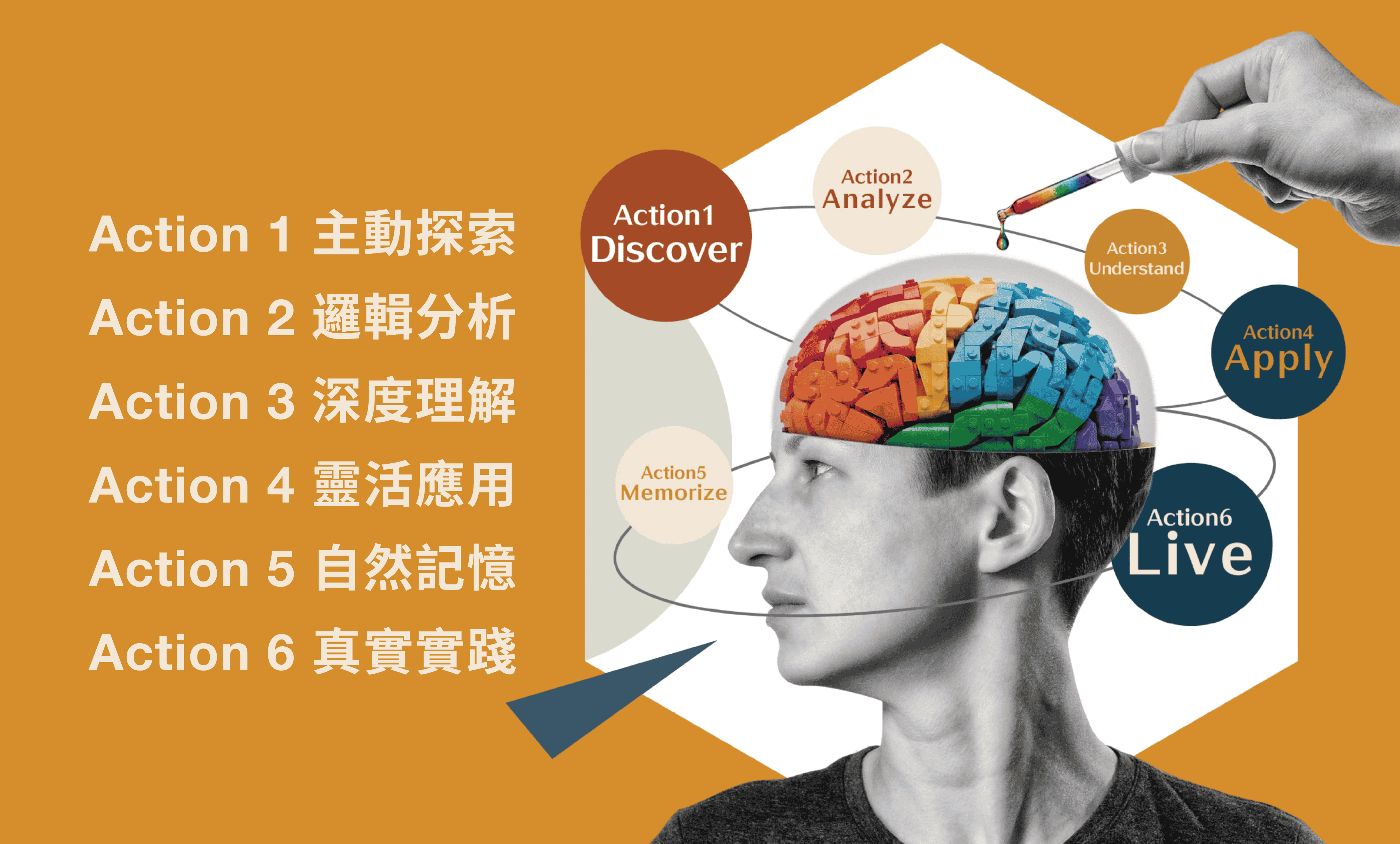
Discover: "Why don't we see many dome-shaped houses?" It’s not a textbook question, but it’s packed with geometry, material science, and architectural history.
-
Analyze: Students form a hypothesis, then test it hands-on. They press down on a square and a triangle to see which shape collapses first.
-
Understand: They compare structural stability. The conclusion isn't fed to them by a teacher—it’s felt with their own hands.
-
Apply: The Core Challenge. With a strict $1000 budget, students build a three-story geometric structure that must survive high-wind and seismic testing. They make real design decisions: allocating funds, choosing shapes, and adding reinforcements. There is no single correct answer—only choices and consequences.
-
Live: Students step out of the classroom for a real-world museum quest. They hunt for hidden triangular structures in the city—bridges, scaffolding, roof trusses—validating their classroom knowledge in the real world.
-
Memorize: Knowledge isn't lectured. It is experimented, built, and discovered by the child.
Every NOUVA lesson is powered by our proprietary 6-Step Cognitive Cycle (Discover → Analyze → Understand → Apply → Memorize → Live). We ensure children don't just memorize concepts—they truly understand how and why they work in the real world.
Mathematical Thinking & Logic Course
Key Pillars of Our Teaching - Why NOUVA?
NOUVA’s Signature 6-Step Cognitive Cycle
A brain-based, 6-step active learning method
The Science of Active Learning
At NOUVA, we believe that the most powerful learning happens through active participation, hands-on exploration, and inner drive.
We don’t just teach children to remember content; we teach them how to think, create, and apply.。
A.C.T.I.F is our core methodology. Combining neuroscience, educational psychology, and digital tools, it creates a flexible yet highly logical learning framework that empowers students to truly bridge the gap between knowing and「doing」.
Science-Backed Teaching: Expert Instructors 「Guiding Active Learning」.
- Master in French as a Foreign Language (FLE) | Professional Language Pedagogy
- MASTER in Teaching, Education and Training | The Teacher-Training Track
- Master of Science in Education | Educational Sciences
- Language Learning × Artistic Creation - Cultivating Creativity and Expression in Parallel
- Narrative French: Learning Language Through Story Creation
- Numerous studies in cognitive psychology reveal that creativity and verbal expression are deeply intertwined, sharing core foundations that fuel one another: they both demand confidence, a willingness to take risks, and independent critical thinking. Communicating in a foreign language is more than just using words—it is an act of self-expression that mobilizes our entire cognitive abilities to convey our unique thoughts. Mastery of a language amplifies our creative capacity, and conversely, creativity breathes life into language. By exploring French through the lens of art, children simultaneously ignite and expand their creative minds.